
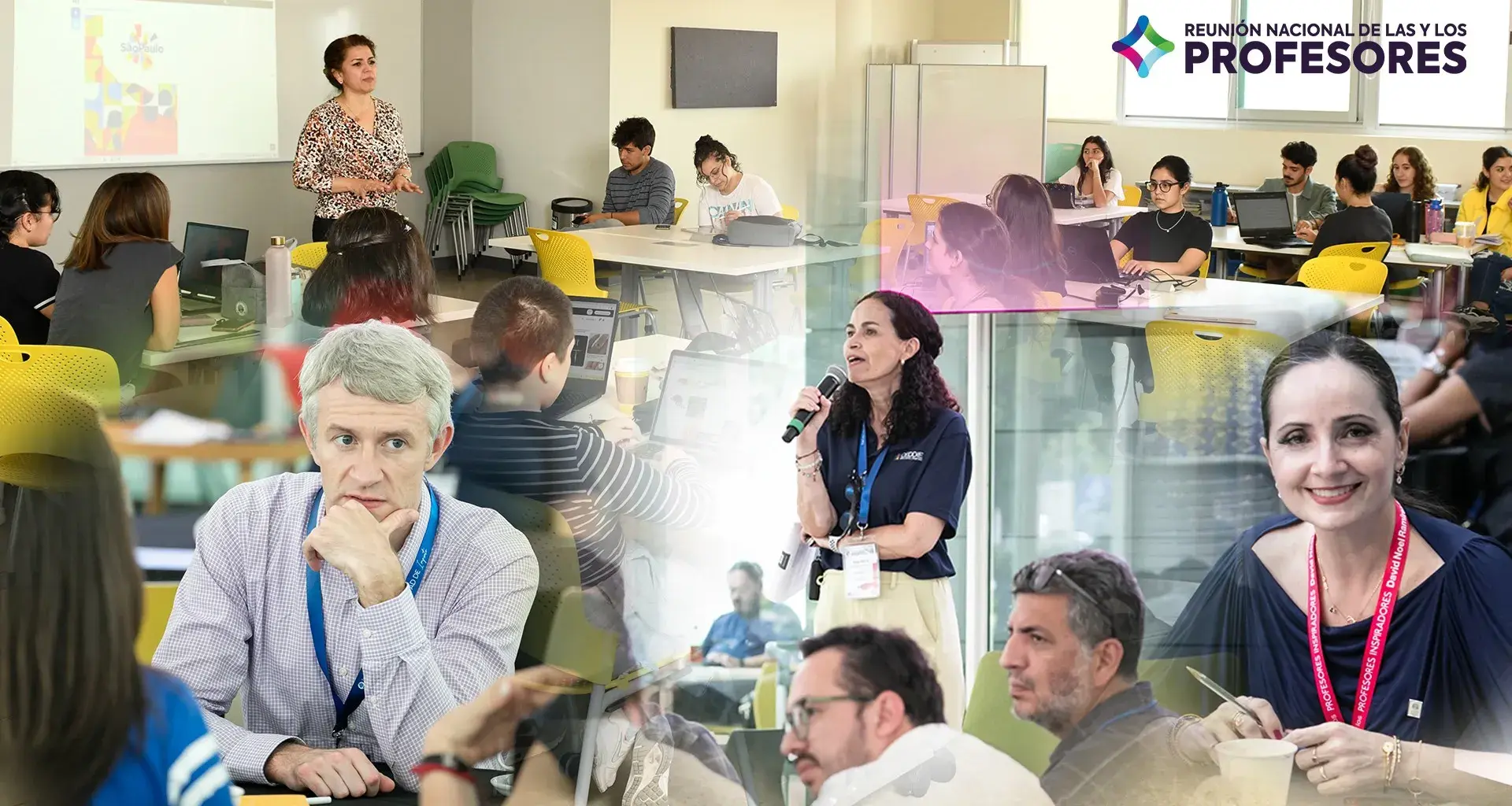

The 2026 National Faculty Summit began with a discussion including academics from MIT and Harvard on the future of education.
What role do professors play today in an era marked by artificial intelligence (AI) and the changes education faces?
That was the question that opened Tec de Monterrey’s 2026 National Faculty Summit (RNP for its initials in Spanish).
This year’s online event was held under the motto “Educating with hope, sharing knowledge, and building community”.
The inaugural conversation included Rector Juan Pablo Murra, Agustín Rayo, Dean of the School of Humanities, Arts, and Social Sciences at MIT, and Harvard professor Doris Sommer to reflect on the role of humanities, AI, and educational challenges.

The humanities tackling artificial intelligence
Agustín Rayo, Dean of the School of Humanities, Arts, and Social Sciences at MIT, explained that the progress of artificial intelligence obliges universities to rethink what type of capacities they should develop.
He said that although tools such as AI will transform many activities, skills such as these will still be necessary:
- Formulating good questions
- Communicating ideas clearly
- Understanding complex problems
- Analyzing their social and ethical implications
For him, that’s where the value of the humanities lies. “Technology by itself isn’t going to make the world better”.
After explaining why the humanities continue to be relevant in the artificial intelligence era, Rayo concluded that the challenge is not just due to technology but to strengthening higher education institutions:
“The future of our society depends on our universities being strong”.
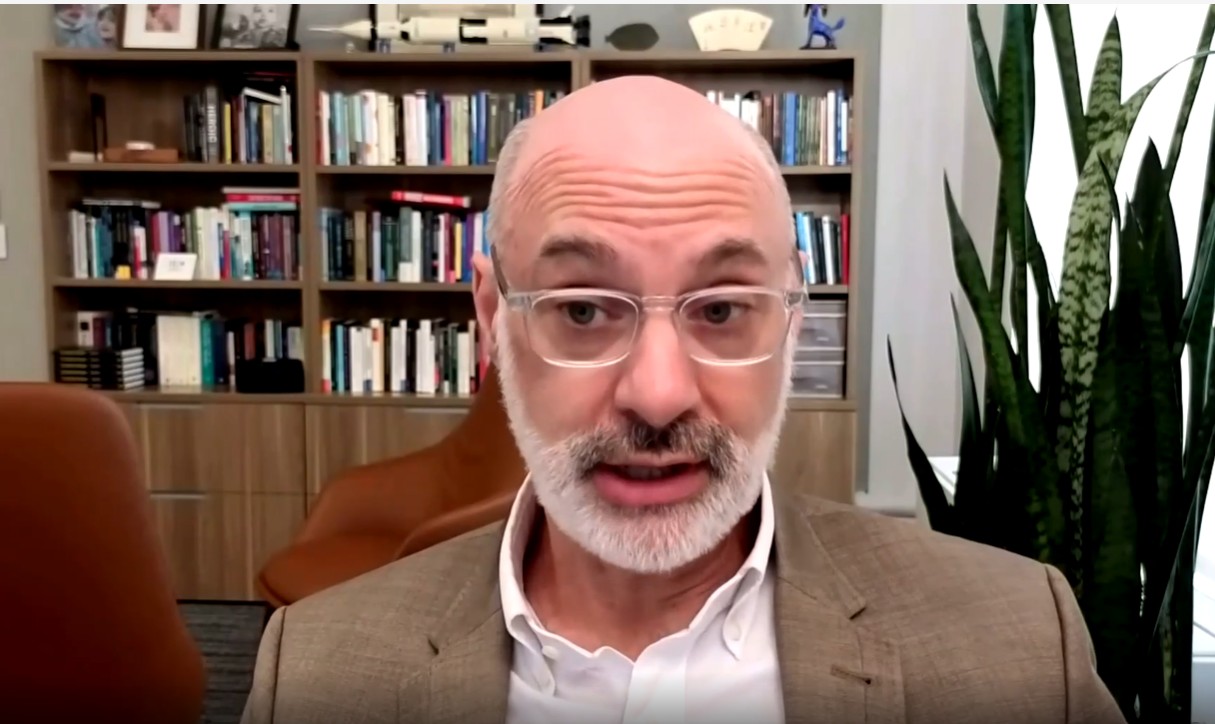
Creativity also forms part of learning
For her part, Harvard University professor Doris Sommer spoke about the importance of universities promoting spaces where students can read, create, discuss, and work with others.
She explained that critical thinking is not only developed by hearing answers but also by asking questions, sharing ideas, and building knowledge collectively.
During her presentation, she highlighted the value of the arts and humanities as tools for strengthening students’ curiosity, imagination, and participation inside and outside the classroom.
“It’s not enough to talk about critical thinking; we have to practice it”.

How the Tec’s faculty has evolved
During their opening address, Roberto Íñiguez, Executive Vice Rector of Academic Affairs and Faculty, and Grisel Ayllón, Vice Rector of Faculty, reminded professors that there are 40 days left until the launch of the 2026 syllabuses.
These will evolve the Tec’s education model based on competencies and learning through challenges connected to the community.
They also shared some indicators on how the faculty has evolved:
- 155 new full-time professors joined as of May 2026.
- 36% are graduates of universities ranked among the top 200 in the world.
- 34% are from over 20 countries.
- The Faculty of Excellence program includes 39 professors.
- Faculty for the Future received 21 applications to drive the development of the next generation of teachers.
International mobility
Regarding international mobility, they reported that:
- 72 professors carried out international stays through the Faculty Mobility Outbound program.
- 51 international professors visited the Tec through the same scheme.
Educating with hope
Only one in three students show high levels of “flourishing,” an indicator that considers aspects like:
- Having a life purpose
- Maintaining meaningful relationships
- Trusting in their own abilities
- Contributing to others, and
- Looking to the future with optimism.
That was one of the details shared by Rector Murra during the inaugural panel of the 2026 National Faculty Summit when reflecting on the challenges universities face today and the role played by teachers to teach students with purpose.
Murra explained that this figure comes from the Healthy Minds Study, which the Tec uses to follow up on students’ wellbeing.
According to Murra, although the indicators related to depression and anxiety have reduced, the challenge now also consists of generating conditions so that students find meaning, develop meaningful relationships, and look to the future with optimism.
“We shouldn’t only be thinking about how we attend students who have challenges but also how we generate conditions so that our students lead purposeful lives”.
"We shouldn’t only be thinking about how we attend students who have challenges but also how we generate conditions so that our students lead purposeful lives".- Murra
YOU’LL ALSO WANT TO READ:
Seleccionar notas relacionadas automáticamente
1
Category:
Related stories